
Restaurant business plan
Template
The sections follow the SBA’s outline for a traditional business plan, adapted for a restaurant [1].
Replace every prompt with your own answer. Keep the guidance lines or delete them once you’re done.
Where the plan asks for a number, write where it came from: a quote, an invoice, a lease or your own count.
Executive summary
Write this last and keep it to one page. Someone who reads only this page should know what you’re opening, where, for whom, and how much you need.
The restaurant’s name, the concept in one sentence, and the address or neighborhood.
Who your guests are and why they’ll come back.
Who runs it, and what each of you has run before.
How much money you need, what it pays for, and when you expect to break even.
Your target opening date.
Concept
Describe the place the way a guest would describe it to a friend. Be specific: “a twelve-seat counter for hand-pulled noodles” beats “a modern Asian eatery.”
Service style: counter, fast casual, full service, bar, or a mix.
Cuisine and the five dishes you want to be known for.
Days and hours, and which meals you’ll serve.
Seats, and how much you expect from dine-in, takeout, delivery and catering.
What makes you different from the three closest places that serve something similar.
Market and location
Walk the block at the hours you plan to be open, on a weekday and a weekend. Count who is there. Zoning is set locally, so check with your city’s planning office before you sign [3].
Who lives, works or passes within a short drive, and what they eat now.
Nearby competitors: name, price range, what they do well, where they fall short.
The space: size, seats, kitchen and ventilation, parking, foot traffic, visibility from the street.
Lease terms: rent, length, increases, who pays for the build-out, and what happens if you have to leave early.
Zoning and any permits the space needs, and who confirmed them.
Operations and staffing
Lenders read this to see whether you can run the place on a bad Friday. Show who does what, and how many people each shift needs.
Owners and managers: who decides what, and who is on site at each shift.
Positions, people per shift and pay for each role.
Hiring and training timeline before opening.
Opening, shift-change and closing routines, including counting cash and the end-of-day close.
Every license, permit and insurance policy your city, county and state require: who issues it, the cost and the renewal date. Requirements depend on your location and what you do, so check each level of government [3].
Technology: POS, online ordering and delivery
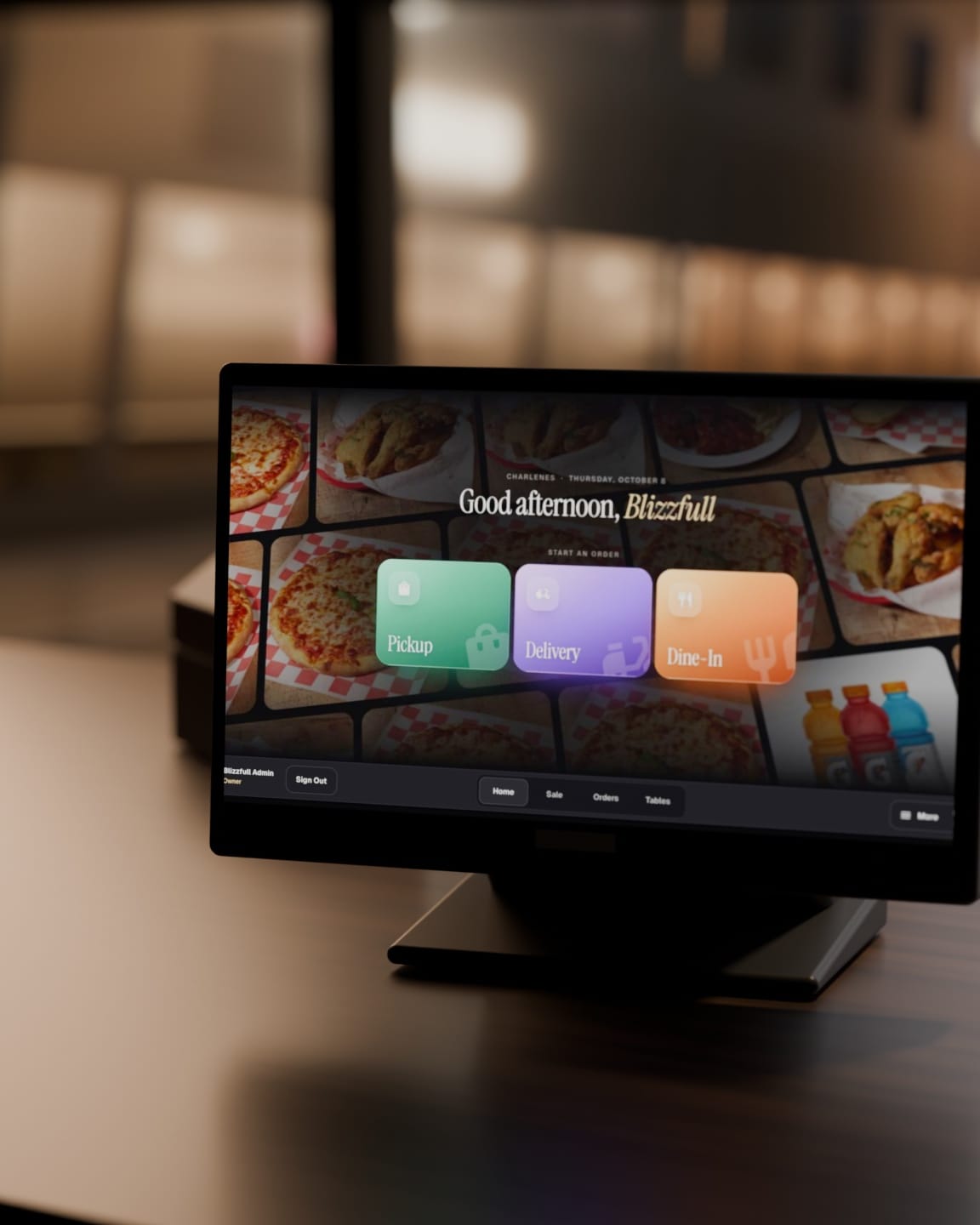
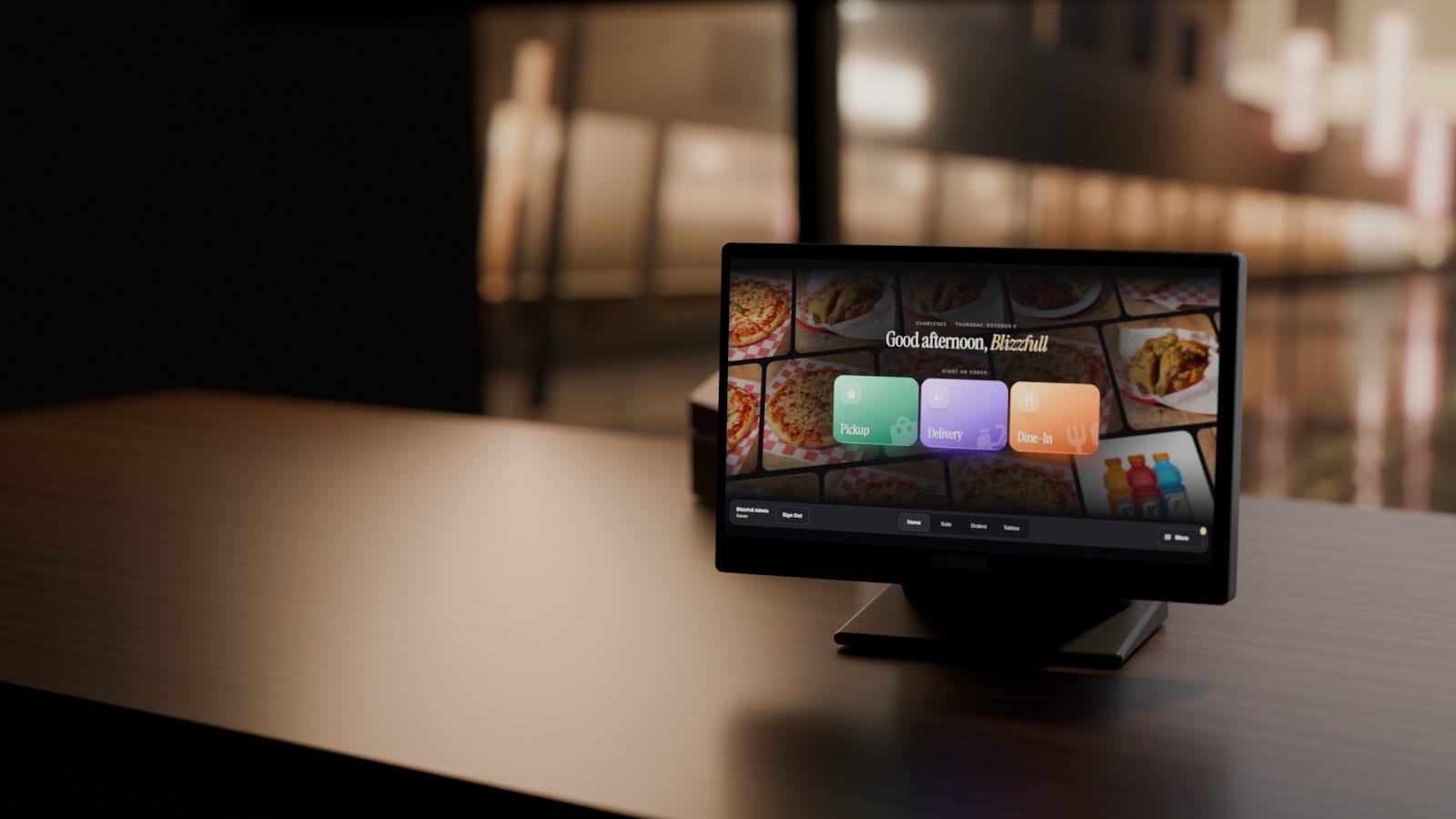
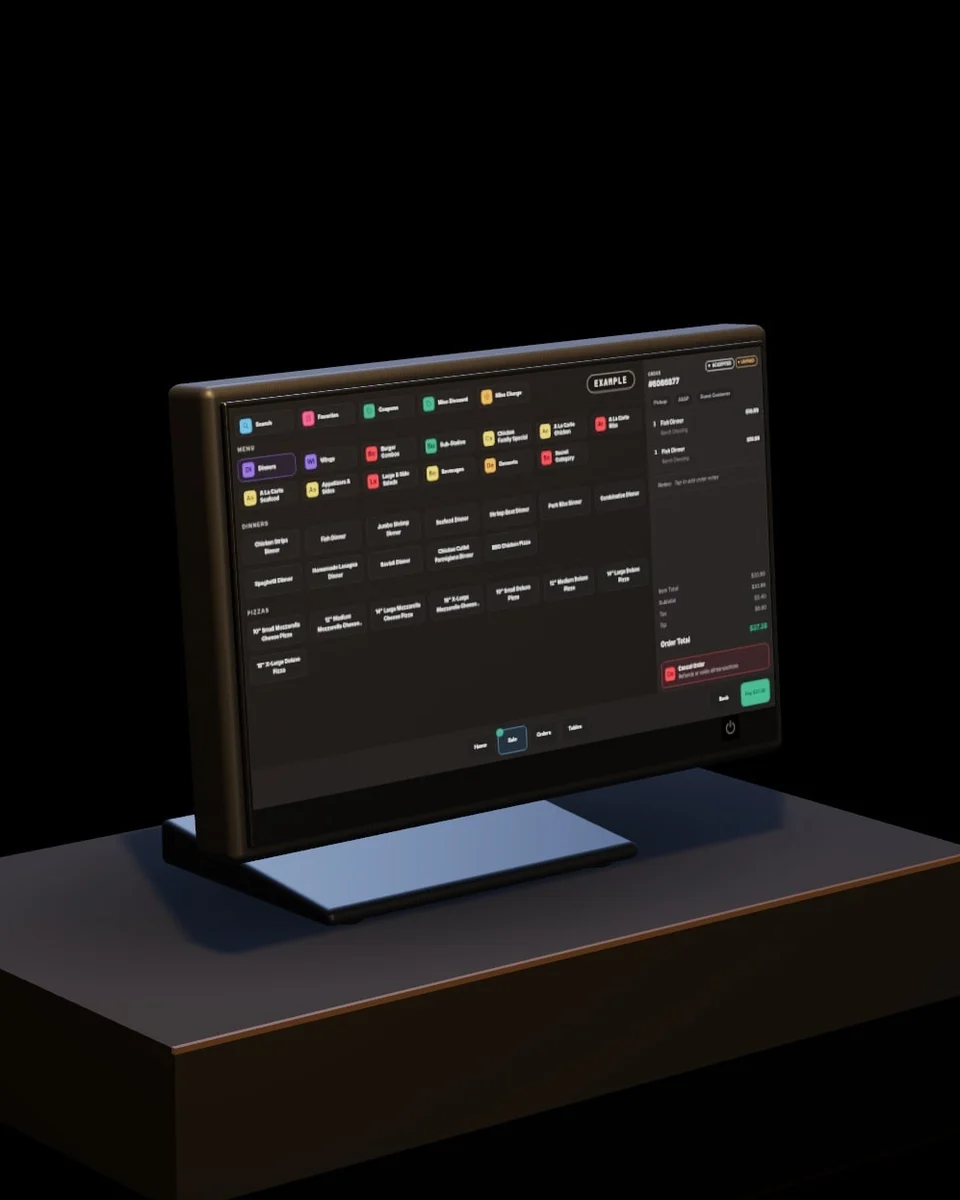
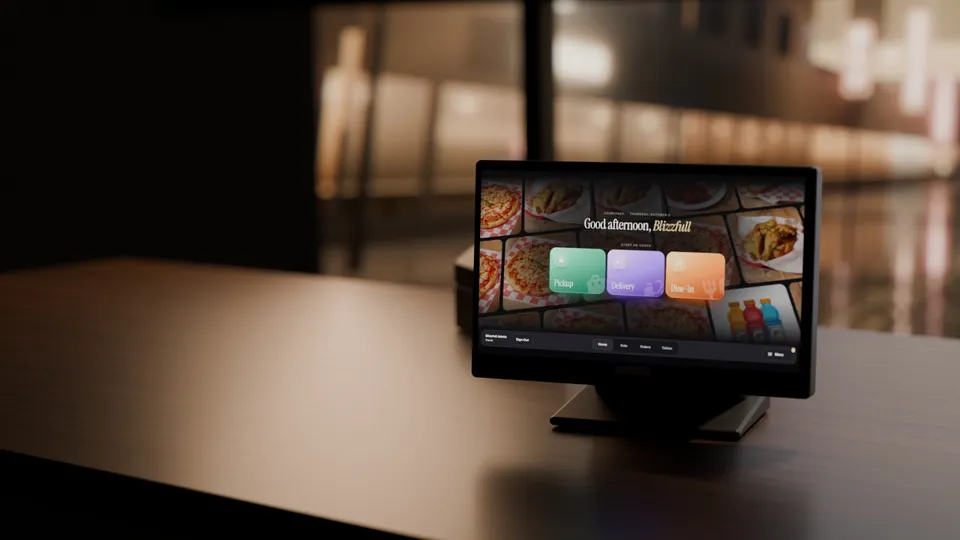
Your point of sale touches every order, every payment and every report. Choose it before you finish the counter layout and the budget, because hardware, contract terms and card fees all land in your startup costs and your monthly costs.
Work out what delivery-app commission would cost you
POS: monthly software cost, card processing rates, and whether the hardware is bought, leased or included.
Contract: how long, how it renews, and what it costs to leave early.
Internet outage: can you keep taking orders and cards, and what happens to them when you’re back online?
Online ordering: on your own website or through an app, what each order costs you, and who keeps the guest’s contact details.
Delivery apps: which ones, their commission, and whether their orders land in your POS or on a separate tablet.
Kitchen: printed tickets or a kitchen screen, and how orders from every channel reach it.
Reports: daily sales, labor and item sales, and whether you can export your own data.
Marketing
Plan three stretches: before you open, the first month, and every month after. Most of it costs time more than money.
Before opening: your Google Business Profile, a website with the menu as real text, social accounts, signage and a soft opening.
Opening month: how you’ll get the first guests in, and how you’ll ask them back.
Every month: email and text to your own guest list, reviews, local partners and events.
Your monthly marketing budget, and how you’ll know what worked.
Startup costs
List every cost before opening day, get written quotes, and keep a cash reserve for the months before sales cover the bills [2]. A cost you can’t source yet gets a note saying so.
Startup cost sheet
| Cost | Your estimate | Quote or source |
|---|---|---|
| Lease deposit and rent before opening | ||
| Build-out, renovation and design | ||
| Kitchen equipment and installation | ||
| Furniture, fixtures and décor | ||
| POS, card terminals and kitchen screens or printers | ||
| Smallwares: plates, pans, utensils, packaging | ||
| Opening food and beverage inventory | ||
| Licenses and permits | ||
| Insurance | ||
| Legal and accounting | ||
| Signage | ||
| Website, photos and opening marketing | ||
| Hiring, and wages for training before opening | ||
| Utility deposits | ||
| Cash reserve for the first months | ||
| Total |
How you’ll pay for it: your own money, loans, investors. For each, the amount and the terms.
What the money is for, in order, if you can’t raise all of it at once.
Financial projections
Start from covers, not from the number you’d like. Covers a day, times average check, times days open, is your sales line. Do the first year month by month, then three years.
Three-year projection
| Line | Year 1 | Year 2 | Year 3 |
|---|---|---|---|
| Sales: dine-in | |||
| Sales: takeout and online | |||
| Sales: delivery apps | |||
| Food and beverage cost | |||
| Labor, with payroll taxes | |||
| Rent and occupancy | |||
| Card processing and app commissions | |||
| Marketing | |||
| Other operating costs | |||
| Loan payments | |||
| Profit before tax |
Your assumptions: covers per day by meal, average check, days open, and how fast you expect to get there.
Break-even: the monthly sales that cover every cost, and the month you expect to reach it.
Cash: the lowest your bank balance gets in year one, and what you’ll do if sales come in slower.
Restaurant business plan template from blizzfull.com/free-tools/restaurant-business-plan-template. Free to use and change.